





Sharing is caring!
Launching a rewards program is a major milestone in the life of any business. Creating a Loyalty Card should not be seen as a mere administrative or graphic formality, but as the foundation of a long-term customer retention strategy. Whether you choose a physical format or a 100% digital solution, the goal remains the same: turning a one-time buyer into a regular ambassador for your brand. At Avomark, we support merchants in making this tool a true profit center.
Why create a Loyalty Card in 2026?
The market is saturated and consumer attention has become a scarce resource. Having your own card means securing a privileged place in your customers’ wallets — physical or digital. It is also the best way to collect transactional data to sharpen your future marketing efforts.
The strategic steps to designing your program
Discover our personalized Loyalty Solutions | Contact a retail strategy expert
Before moving on to design, you need to define the mechanics of your program. Here are the key questions to ask yourself when creating your card:
The reward system: Will you go with a points-based system (€1 = 1 point), a stamp system (10 purchases = 1 free), or direct cashback?
The primary target: Is your program open to all your customers, or do you want to create an exclusive VIP club?
The format: Plastic card, paper card, mobile app, or digital loyalty on a POS terminal?
Validity period: Do points expire after a period of inactivity to encourage repeat visits?
The critical choice between physical and digital
While plastic cards were long the standard, the trend is now firmly toward going digital. A physical card can be lost, forgotten, or damaged. In contrast, a digital solution integrated into the customer’s smartphone guarantees a usage rate close to 100%. Our cardless loyalty solutions even allow the customer’s bank card to serve as a unique identifier, radically simplifying the checkout process.
Design and consumer psychology
The visual design of your card — even a digital one — plays a role in how your brand is perceived. For an effective Loyalty Card, certain elements are essential:
Visual identity: Your logo and brand colors must be instantly recognizable.
Offer clarity: Customers should understand at a glance what they gain by using it.
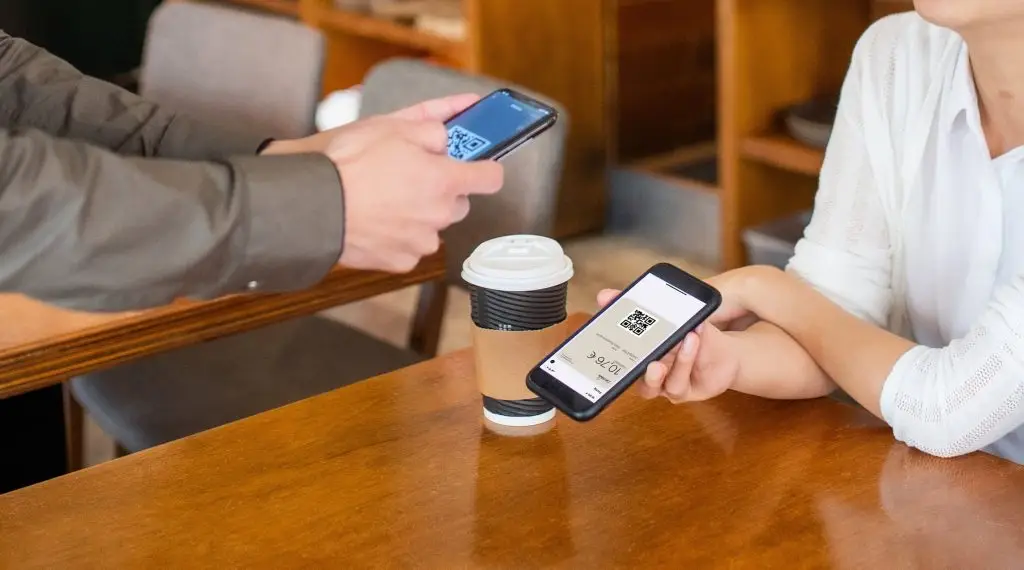
Call to action (CTA): A QR code or link to the customer portal to check their points balance in real time.
Perceived value: A polished design reinforces the sense of belonging to a privileged group.
Table: Comparison of Loyalty Card creation methods
| Card type | Creation cost | Engagement rate | Ease of management |
| Paper card (stamps) | Very low | Low (frequent losses) | Manual (time-consuming) |
| Plastic card | Medium (printing/shipping) | Medium | Partially automated |
| Mobile app | High (development) | Variable (download barrier) | Automated |
| POS Terminal Loyalty by Avomark | Optimized | Maximum (100% frictionless) | 100% Automated |
Automation and technical integration
Creating a Loyalty Card doesn’t stop at handing it to the customer. The real work begins when it is used. For the program to be profitable, it must be connected to your sales tools.
POS terminal sync: Your payment terminals (PAX, Ingenico) must recognize the card instantly.
Customer file updates: Every card transaction should enrich your marketing database.
Marketing Automation: Trigger a thank-you SMS or special offer the moment a customer reaches a points milestone.
Rollout across a franchise network
For a franchise network, card creation must be centralized to ensure nationwide consistency.
Shared identity: A single card valid across the entire network reinforces the strength of the brand.
Cross-store compensation: A technical system that manages points earned in one location and redeemed in another.
Global reporting: A consolidated view for network headquarters, while giving local franchisees commercial flexibility.
Conclusion: a tool built for your profitability
Creating a Loyalty Card is the first step toward a controlled customer relationship. By choosing the right formats and the right technologies, you turn a simple technical constraint into a powerful growth lever. Don’t just issue cards — build a lasting connection that rewards your customers and secures your revenue.
Questions about creating a Loyalty Card
1. What is the average cost of creating a Loyalty Card?
The cost varies widely depending on the format. A paper card costs just a few cents, while a professional digital solution is typically subscription-based. The latter is often more cost-effective thanks to automation and reduced customer churn.
2. What mandatory information must appear on a Loyalty Card?
In addition to your business identity, you must include the Terms of Use or a link to them, as well as information regarding personal data protection (GDPR Compliance).
3. Can a paper card easily be converted into a digital card?
Yes, and it is highly recommended. Solutions like Avomark allow you to import your existing data and migrate your customers to a more powerful digital system — with no loss of points for them.
4. How long does it take to see a return on investment from a Loyalty Program?
On average, when the program is actively driven by targeted SMS marketing campaigns, the first results — increased average basket size and visit frequency — are noticeable within the first three months.