





Sharing is caring!
Tomorrow’s retail won’t be won on price, but on the quality of the relationship. While transactional marketing focuses on the immediate purchase, relationship marketing aims to build a shared story between a brand and its customers. For a merchant or a network of points of sale, this approach has become the key differentiator. At Avomark, we help businesses transform every cold transaction into an interaction rich in value.
Why move beyond “all-promotional” marketing?
Consumers are overwhelmed by generic discounts. Loyalty “bought” through constant promotions is fragile: it disappears the moment a competitor offers a penny less. By contrast, relationship-based loyalty creates an emotional bond that makes customers more resilient to competing offers.
The pillars of a successful relationship strategy
To make this transition successfully, your program must be built on solid foundations. Here are the key elements to integrate in order to humanize your customer relationships:
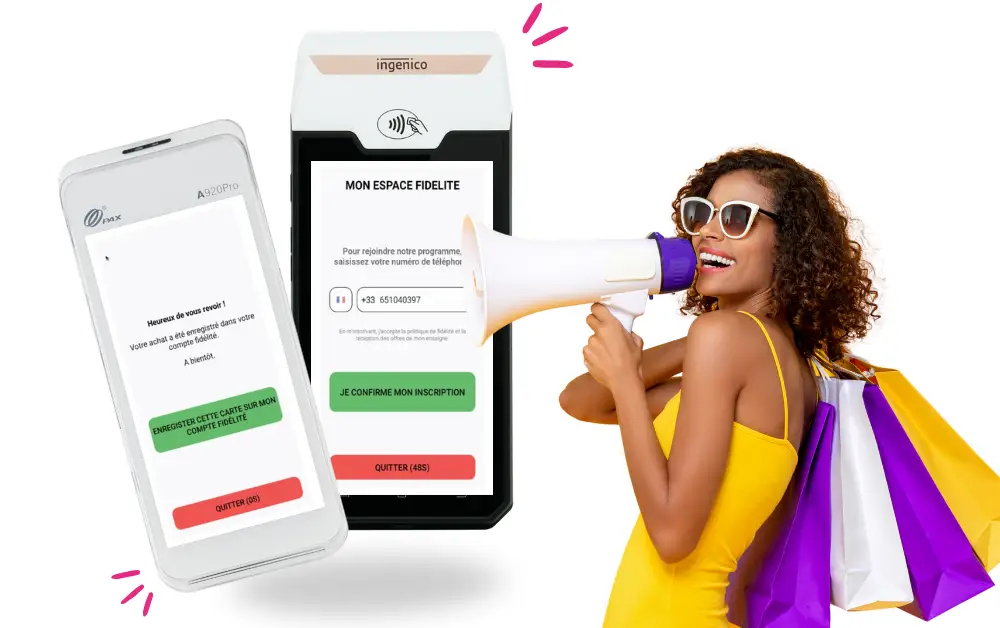
Immediate recognition: Greeting customers by name, whether through a notification or at our smart payment terminals.
Contextual personalization: Sending a thoughtful gesture not for a promotion, but for a life event (birthday, anniversary).
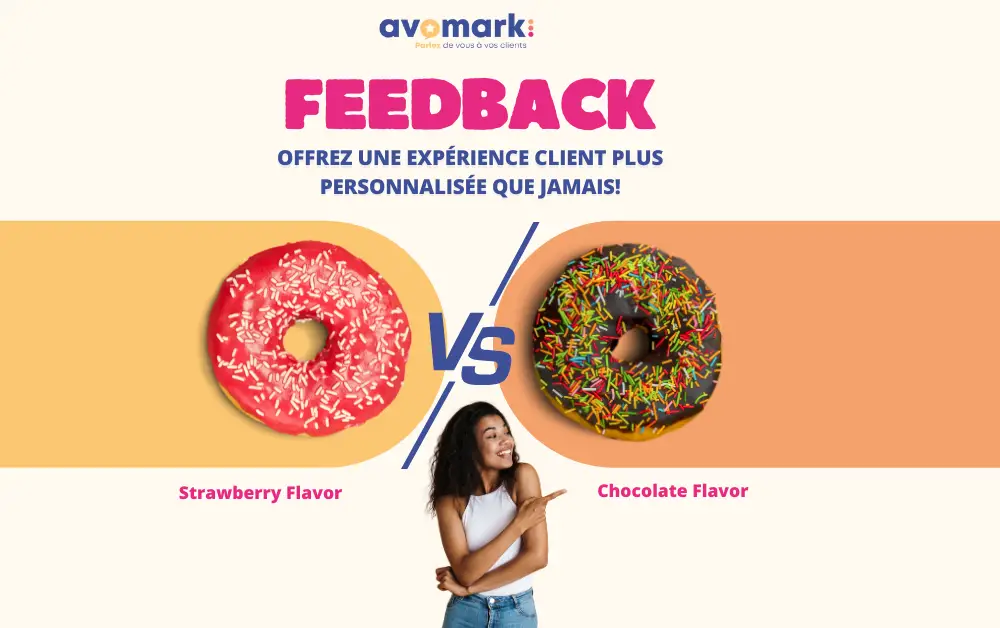
Active listening: Asking for customer feedback after a purchase to show that their opinion genuinely shapes how your offer evolves.
Non-commercial generosity: Offering exclusive content, expert advice, or priority access to events.
The importance of data in nurturing the relationship
Relationship marketing cannot exist without a deep understanding of the customer. By leveraging our transactional data analytics tools, you no longer see just a euro amount — you see a behavior, preferences, and expectations. It is this marketing data that enables the shift from mass communication to personalized dialogue, even at scale.
Automating emotion without losing authenticity
One of the greatest challenges is maintaining this relational bond across a database of thousands of contacts. This is where Avomark’s technology truly comes into its own. We enable you to script automated customer journeys that retain a warm, human tone:
The welcome message: A thoughtful greeting as soon as customers enroll in the Loyalty Program.
Post-purchase follow-up: An SMS to check that the in-store experience met expectations.
The surprise reward: An unexpected benefit delivered to create the “Wow” effect.
The gentle re-engagement: A friendly message checking in with a customer who hasn’t visited in a while, with no sales pressure.
Table: Transactional Marketing vs. Relationship Marketing
| Characteristic | Transactional Marketing | Avomark Relationship Marketing |
| Primary objective | Immediate one-time sale | Loyalty and LTV (Lifetime Value) |
| Type of relationship | Price / promotion-driven | Trust / emotion-driven |
| Communication | One-way (Mass) | Two-way (Personalized) |
| Relationship duration | Short-term | Long-term and sustainable |
| Profitability | Low (high acquisition cost) | Optimized (low retention cost) |
Relationship loyalty applied to franchise networks
For a franchise network, relationship marketing is the cement that connects the national brand to local reality. Each franchisee must be able to cultivate their own relationship with local customers while benefiting from the group’s technological capabilities. Our solutions for franchises and groups enable this agility: a global strategy, delivered with a genuine local touch.
Measuring relationship success beyond Revenue
Discover our performance indicators | Book a meeting with a consultant
While Revenue remains the ultimate judge, relationship marketing relies on other health indicators to validate your customer retention strategy:
Net Promoter Score (NPS): To measure how likely your customers are to recommend you.
Repurchase rate: To validate the visit frequency driven by brand attachment.
Communication engagement: Open and click-through rates on your personalized messages.
Active customer share: The percentage of your base that genuinely interacts with your program.
Conclusion: Investing in people for long-term success
Relationship marketing is the answer to the challenges of retail in 2026. By putting the individual back at the heart of your Loyalty Program, you’re not just selling — you’re building a community. This intangible asset is what guarantees the longevity of your business and its future value.
Questions about relationship marketing
1. What is the difference between transactional and relationship marketing?
Transactional marketing targets immediate sales through price, while relationship marketing seeks to establish a lasting connection with the customer to increase their long-term value through trust and recognition.
2. How do you implement a relationship strategy in-store?
The first step is to collect qualified data (via a POS terminal, for example), then use that information to personalize every touchpoint — from the welcome message to birthday offers — so that each customer feels unique.
3. Why is relationship marketing crucial for franchises?
It allows you to combine the power of a national brand with the proximity of a local business. It’s the ideal tool for enabling each point of sale to engage its own community while staying true to the network’s overall image.
4. What impact does relationship marketing have on customer retention?
Studies show that a relationship-based approach can reduce churn (customer attrition) by 15% to 25%. A customer who feels heard and recognized is far less likely to leave than one who is only looking for the best price.